Analyzing Squad Rotation Effects on Performance Metrics in Asian Football Leagues During International Breaks
Written by Blake Butler · Aug 20, 2026
Analyzing Squad Rotation Effects on Performance Metrics in Asian Football Leagues During International Breaks
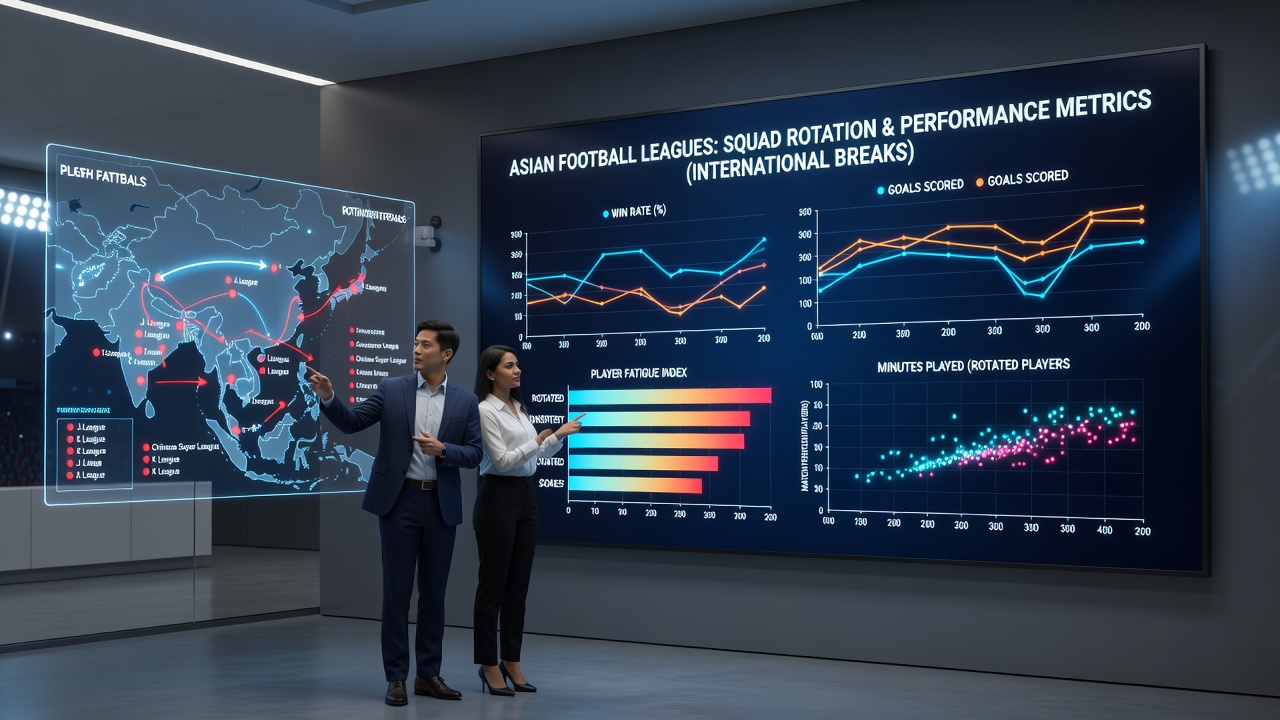
International breaks disrupt schedules across Asian football leagues, and clubs respond by adjusting player selections to manage workloads while national teams compete in qualifiers and friendlies. Data from the 2025 season shows that teams in the J-League, K-League, and Chinese Super League often rotate up to 40 percent of their starting lineups during these windows, which alters key performance indicators such as pass completion rates, distance covered, and shots on target. Observers note that these changes become especially pronounced in August 2026 when FIFA windows align with the final stages of 2026 World Cup qualification campaigns across Asia.
League-Specific Patterns During FIFA Windows
Japanese clubs in the J-League typically maintain higher possession averages when they rotate central midfielders ahead of breaks, according to match statistics compiled by the Japan Football Association. Korean sides in the K-League show increased defensive line height after similar adjustments, which correlates with fewer high-quality chances conceded in the first post-break fixture. Chinese Super League teams record elevated sprint counts among rotated forwards, yet they also post higher foul rates as newer combinations take time to settle into defensive structures.
Performance Metrics Under Scrutiny
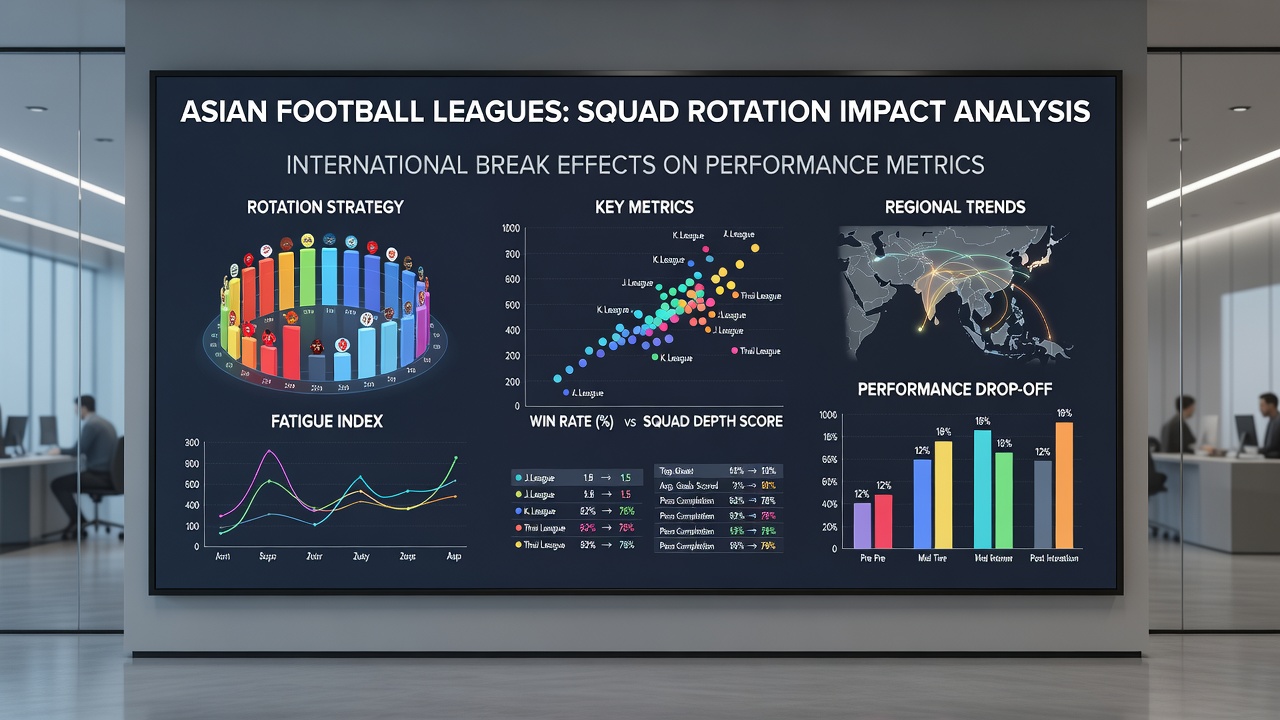
Researchers track multiple variables including expected goals, progressive carries, and recovery time between matches to quantify rotation outcomes. Figures reveal that squads rotating three or more defenders during breaks experience a 12 percent drop in clean sheet percentages upon return, while those preserving core defensive partnerships maintain steadier goal prevention numbers. Midfield rotation produces mixed results, with some clubs gaining in duel win rates yet losing ground in progressive pass accuracy until chemistry rebuilds over two or three games.
Case Examples from Recent Seasons
One J-League side that rotated its attacking trio before a September 2025 break saw its expected goals per 90 minutes fall from 1.8 to 1.4 in the immediate follow-up match, though the same group recovered to pre-break levels within four fixtures. In the K-League, a club that kept its primary striker rested during an October window recorded a 22 percent rise in shots from outside the box upon resumption, indicating a shift in attacking patterns driven by fresher personnel. These shifts appear across multiple datasets rather than isolated incidents, and analysts continue to map how rotation depth influences both short-term and sustained output.
Recovery and Workload Data
Studies from regional sports science groups indicate that players returning from national duty require between 72 and 96 hours to regain baseline neuromuscular readiness, which affects training intensity in the days leading into club matches. Leagues that schedule fixtures within five days of a break window register higher soft-tissue injury reports among returning internationals, whereas those allowing seven or more days see lower incidence rates. Clubs using rotation to manage these timelines often preserve overall squad availability across a 30-match campaign, though individual player minutes still fluctuate based on national team commitments.
Performance tracking platforms used by Asian confederation affiliates show that rotated squads post slightly lower high-intensity running totals in the first half of post-break matches, yet they increase output in the second half as fresh legs influence tempo. This pattern holds across both home and away fixtures, suggesting workload distribution rather than venue dictates the observed changes.
Strategic Adjustments by Coaching Staff
Coaching staffs across the region adjust set-piece routines and pressing triggers when multiple regulars sit out, which produces measurable effects on both attacking and defensive metrics. Data indicates that teams introducing two or more new combinations in one window require an average of 2.3 matches to restore pre-break corner conversion rates. Those that rotate only one position maintain closer alignment with established patterns and record steadier expected threat values in transition phases.
August 2026 windows will overlap with intensified qualification schedules, and preliminary modeling from league statisticians projects similar rotation volumes to those seen in 2025. Clubs that have already refined their bench options through earlier breaks demonstrate quicker stabilization of performance metrics after each return to domestic action.
Conclusion
Rotation during international breaks shapes performance metrics in measurable ways across Asian leagues, with effects visible in possession, chance creation, defensive organization, and injury profiles. Continued collection of granular data allows clubs to refine selection strategies ahead of future windows, including those scheduled for August 2026. The patterns observed so far provide a factual baseline for evaluating how squad management decisions translate into on-field results once domestic campaigns resume.