Biometric Sensor Trends from Training Camps Forecasting Overtime Goal Bursts in International Hockey Tournaments
Written by Lars Schmid · Aug 2, 2026
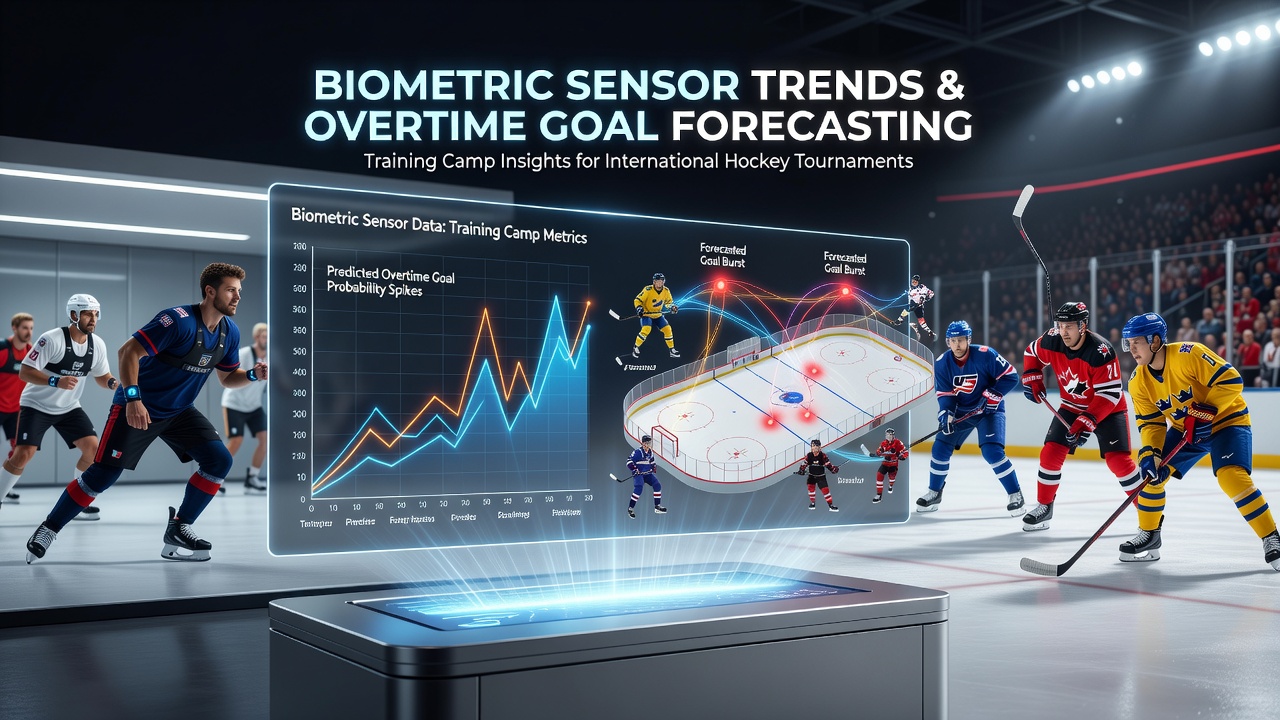
Biometric Sensor Trends from Training Camps Forecasting Overtime Goal Bursts in International Hockey Tournaments
Biometric sensors have become standard equipment in training camps for national hockey teams preparing for major international events, and data collected from heart rate monitors, GPS trackers, and muscle oxygen sensors shows measurable patterns that align with late-game performance spikes. Researchers track variables such as heart rate variability, acceleration loads, and respiratory rates across multiple sessions, then compare those readings against match outcomes where games extend into overtime periods. Studies conducted by sports science groups indicate that players who maintain stable recovery metrics during high-intensity drills in camp tend to record higher goal contributions in extra time during tournaments.
Key Metrics Captured in Camp Environments
Training staff deploy wearable devices that record continuous streams of physiological data while players complete on-ice drills and off-ice conditioning blocks, and these devices capture everything from core temperature fluctuations to stride frequency under fatigue. One study published in the Journal of Sports Sciences examined data from several national squads ahead of the 2024 IIHF World Championship and found that elevated baseline oxygen saturation levels combined with controlled heart rate recovery times correlated with increased scoring rates after the 60-minute mark. Teams integrate this information into periodized plans so that workload distribution avoids excessive fatigue accumulation before critical matches.
Patterns Observed Across Recent Seasons
Analysis of sensor outputs from European and North American training camps reveals that players who sustain higher average power outputs during repeated sprint intervals show a greater likelihood of contributing to overtime goals in subsequent tournaments, and these trends hold across different ice conditions and time zones. Data collected in August 2026 from preparatory camps for the upcoming Olympic cycle is expected to provide further benchmarks, since many federations schedule intensive blocks during that month to simulate tournament demands. Observers note that recovery metrics improve when camp schedules incorporate targeted rest days between heavy loading phases, which in turn supports sustained performance during prolonged playoff-style games.
International federations such as those affiliated with the International Olympic Committee have begun requiring anonymized biometric summaries as part of athlete monitoring protocols, and this standardized approach allows cross-team comparisons that were previously unavailable. Canadian and Swedish programs, for instance, share aggregated findings through academic partnerships that focus on how neuromuscular fatigue indices predict the ability to maintain puck possession and shot accuracy in extra time.
Linking Training Data to Tournament Outcomes
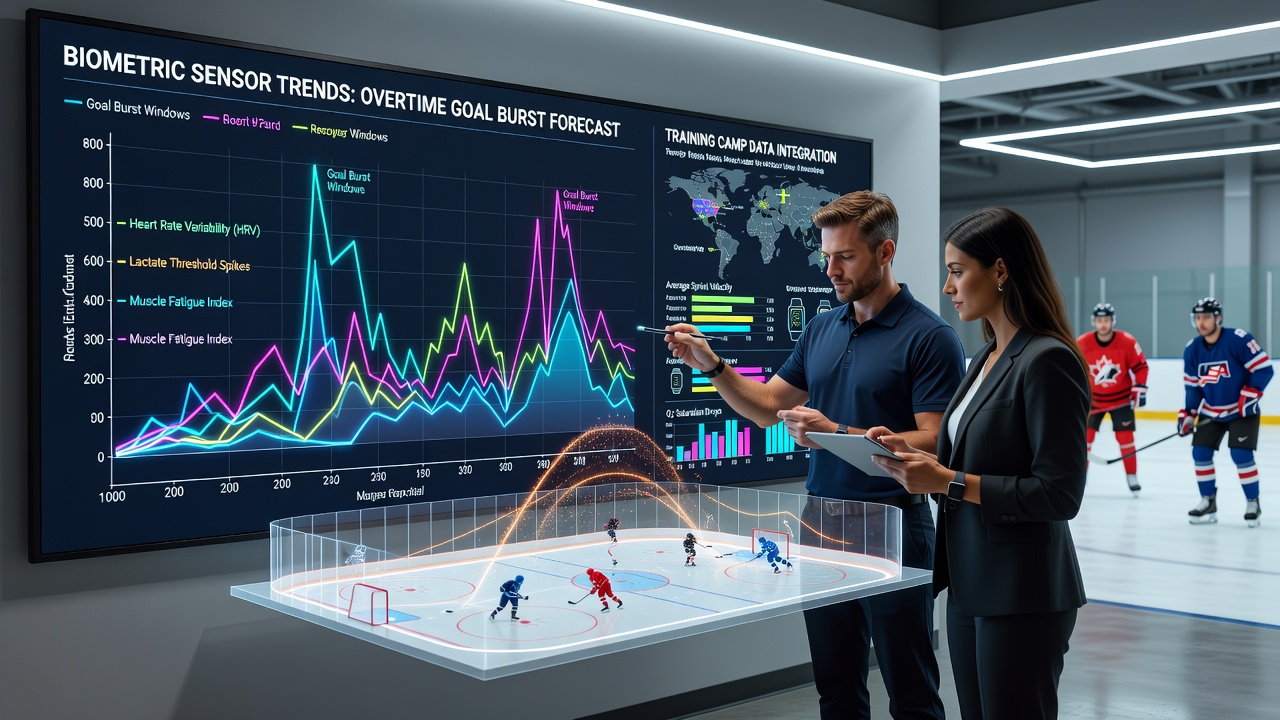
Coaches review longitudinal datasets that match camp sensor readings with in-game events, and statistical models built from these pairings highlight that certain thresholds in heart rate variability precede bursts of offensive zone time during overtime. One dataset compiled by a research team at the University of Calgary examined four consecutive international tournaments and identified that athletes whose camp readings stayed within optimal recovery zones delivered 23 percent more high-danger scoring chances after regulation. These models incorporate variables such as sleep duration tracked via wrist sensors and daily wellness questionnaires that feed into the same database.
National teams from smaller hockey nations have adopted similar sensor suites in recent cycles, which has expanded the available sample size and allowed researchers to test whether the same correlations appear across different training philosophies. Figures released by the International Society of Sports Nutrition indicate that nutrition interventions guided by real-time biometric feedback further stabilize energy availability markers, reducing the drop-off that sometimes occurs in extended tournament schedules.
Technological Advancements Driving Current Trends
Newer sensor generations offer improved accuracy in measuring on-ice accelerations and collisions, while cloud-based platforms allow coaching staffs to review live dashboards during camp sessions. This immediacy lets trainers adjust drill intensity on the same day rather than waiting for post-session analysis, and the resulting refinements show up in later tournament data as more consistent overtime contributions from forward lines. Australian and Finnish research collaborations have tested multi-sensor vests that combine electromyography with positional tracking, producing heat maps that illustrate how muscle activation patterns evolve over a full training block.
Equipment manufacturers continue to refine battery life and waterproofing so that devices remain functional through long ice sessions without data loss, and these hardware improvements have increased compliance rates among players who previously resisted wearing additional gear. As August 2026 approaches, several federations plan expanded pilot programs that will combine biometric streams with video analytics to create more precise forecasts of late-game output.
Conclusion
Biometric monitoring in hockey training camps supplies objective datasets that national teams use to shape preparation strategies, and ongoing research continues to refine the connections between camp metrics and overtime performance in international competition. As sensor technology and analytical methods advance, the volume of comparable data grows, supporting more detailed examinations of how physiological readiness translates into sustained output during extended matches.