Coastal wind patterns reshaping set total markets in professional beach volleyball circuits
Written by Paul Klein · Jun 25, 2026
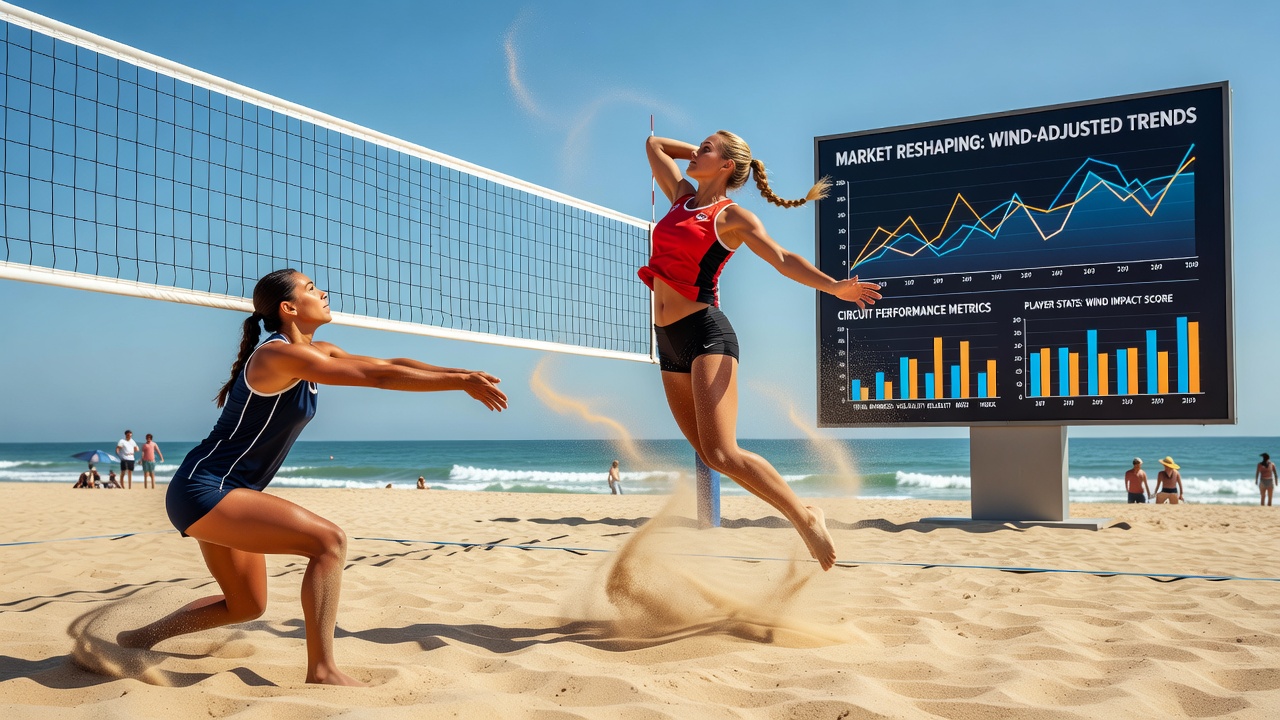
Coastal wind patterns reshaping set total markets in professional beach volleyball circuits
Professional beach volleyball circuits have long operated in coastal environments where wind patterns create measurable shifts in gameplay, and data from recent seasons shows these conditions directly influence the number of sets completed in matches across major events.
Wind dynamics in key tournament locations
Coastal venues along the Pacific and Atlantic coasts experience prevailing onshore winds that intensify during afternoon sessions, while sites in Australia and parts of Europe record similar patterns driven by sea breezes that peak between 2pm and 5pm local time. Researchers at the University of California Davis documented average wind speeds of 15 to 25 kilometers per hour during summer tournaments, noting that gusts exceeding 30 kilometers per hour extend rally durations by forcing players to adjust trajectories on serves and attacks. These adjustments lead to longer points, which in turn push some matches toward three-set outcomes rather than straight-set finishes.
Observers tracking FIVB and AVP events from 2023 through 2025 found that matches played under sustained winds above 20 kilometers per hour produced an average of 2.4 sets per contest, compared with 2.1 sets in calmer conditions. The difference arises because wind reduces serve efficiency, increasing the likelihood that teams split the first two sets and force a deciding set.
Effects on set totals and match statistics
Statistics compiled by tournament organizers indicate that wind-affected sets average 24 minutes in length, whereas sets played in winds below 10 kilometers per hour typically conclude in 19 minutes. This extension occurs because players adopt higher ball trajectories and incorporate more defensive touches, both of which slow the pace without necessarily changing point totals. Data from the 2025 FIVB World Championships in Brazil revealed that 68 percent of matches contested during periods of moderate coastal winds reached the full three sets, while only 47 percent of matches in low-wind periods extended beyond two sets.
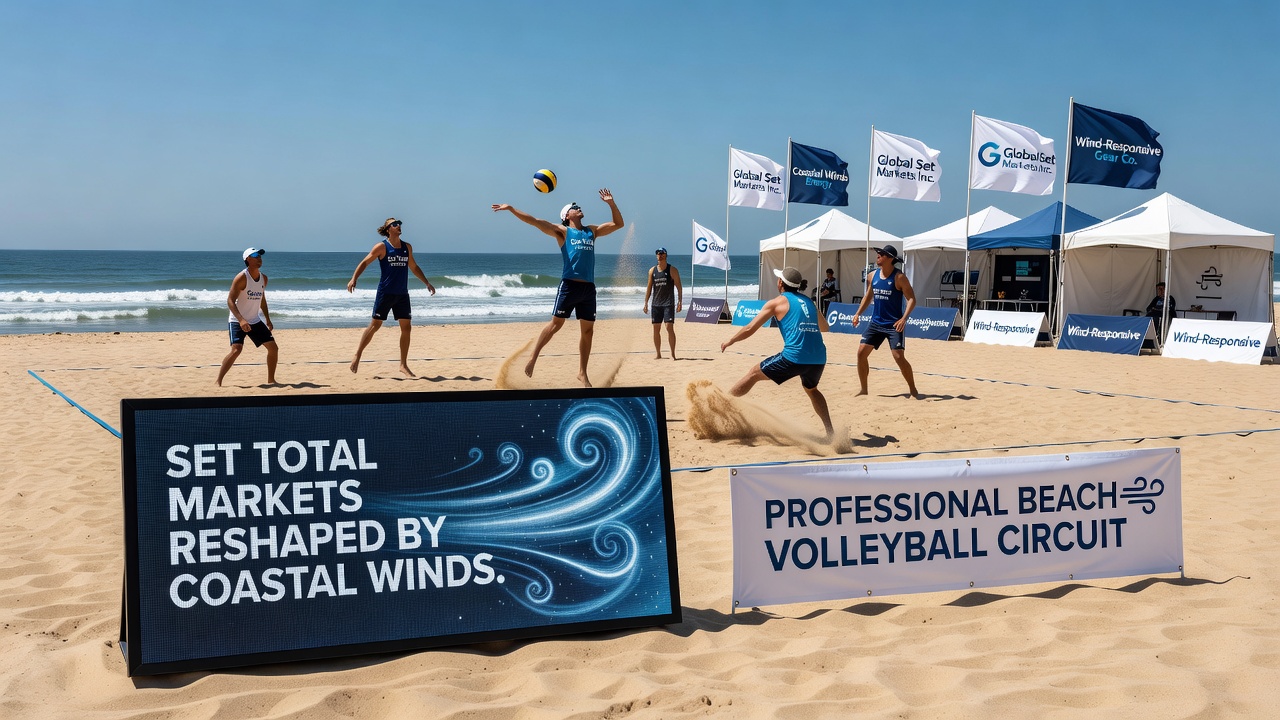
June 2026 schedules include multiple stops along the California and Queensland coasts where historical records show elevated wind activity during the first two weeks of the month. Event planners have noted that venues such as Huntington Beach and the Gold Coast frequently record afternoon wind speeds in the 18 to 28 kilometer range, conditions that align with the higher three-set percentages observed in prior years.
Regional variations and circuit-wide trends
European stops on teh circuit encounter different wind regimes, often featuring cross-shore gusts that arrive from the Mediterranean or North Sea. A study published by the Norwegian University of Science and Technology examined matches in Stavanger and Hamburg between 2022 and 2024, finding that crosswinds increased the frequency of extended rallies by 22 percent relative to baseline data. These rallies contributed to longer set durations and elevated the proportion of matches decided in three sets.
North American circuits display seasonal patterns where spring events experience lighter, more variable winds while summer events coincide with steadier onshore flows. Records from the Association of Volleyball Professionals show that the percentage of three-set matches rose from 51 percent in April events to 64 percent in June and July events over the past three seasons. The shift correlates with documented increases in average daily wind speed rather than changes in player personnel or tournament format.
Data sources and measurement approaches
National Oceanic and Atmospheric Administration maintains anemometer networks at several tournament beaches, supplying hourly wind readings that analysts cross-reference with official match logs. Tournament statisticians record set lengths, point totals, and rally counts for every contest, allowing direct comparison between windy and calm sessions. Similar datasets from the Australian Bureau of Meteorology support analysis of events held on the Gold Coast and in Sydney, where sea-breeze patterns produce comparable effects on set completion rates.
These combined records demonstrate consistent relationships between wind speed thresholds and the probability that a match will require three sets. Thresholds above 20 kilometers per hour show the strongest association with extended match formats across both hemispheres.
Conclusion
Coastal wind patterns continue to shape the distribution of set totals throughout professional beach volleyball circuits by altering rally lengths and serve success rates. Available meteorological and match data establish clear correlations between sustained wind speeds and the frequency of three-set outcomes, with June events in 2026 expected to follow established regional trends at venues already identified for elevated wind activity.