How Varying Track Surfaces Alter Expected Outcomes in Mixed Winter Racing Festivals Across the UK
Written by Paul Klein · Aug 23, 2026
How Varying Track Surfaces Alter Expected Outcomes in Mixed Winter Racing Festivals Across the UK
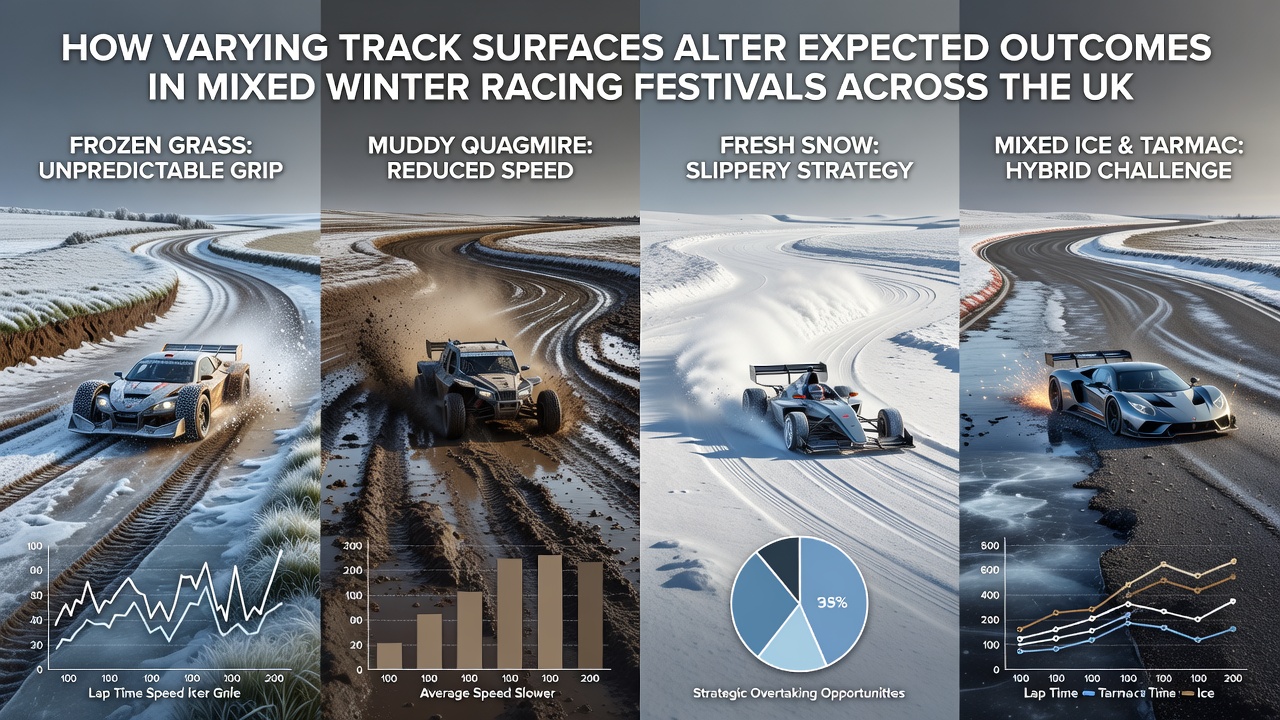
Winter racing festivals across the UK blend turf jumps events with all-weather flat contests on the same card, and track surfaces shift expected results in measurable ways according to data compiled by industry bodies such as the British Horseracing Authority. Ground conditions range from soft to heavy on grass while polytrack and tapeta surfaces maintain more consistent firmness, which alters pace, jumping accuracy, and stamina requirements for runners drawn from different training yards.
Core Surface Types and Their Performance Profiles
Researchers at equine science centers have documented how turf reacts to winter precipitation patterns, with heavy rain turning established tracks into testing grounds that reward horses with proven mud form while penalizing those reliant on quicker ground. All-weather tracks meanwhile deliver uniform going that reduces variables yet introduces different friction levels, and studies show sprinters often post faster sectional times on synthetic than on rain-affected grass. Observers note that mixed festivals schedule these contrasting surfaces deliberately so that bettors and trainers must adjust expectations for each race type rather than apply uniform form lines.
Festival Examples Demonstrating Surface Impact
Take events at Cheltenham or Newbury where the card mixes hurdle and chase contests on turf with occasional all-weather support races at nearby venues, and data reveals that long-priced winners emerge more frequently when ground turns soft because stamina biases override market pricing based on summer form. At Lingfield and Kempton Park the all-weather circuits host the bulk of winter fixtures, yet when festivals incorporate both surfaces trainers report shifts in stable plans since horses prepared for synthetic speed sometimes struggle to translate that edge onto testing turf later on the same program.
Figures from past seasons indicate that favorites win at lower rates on heavy turf during December through February meetings compared with equivalent all-weather events, and this pattern holds because the extra energy expenditure required on soft ground increases the chance of errors at obstacles. Those who've analyzed thousands of runs find that hold-up horses gain an advantage on rain-softened turf whereas front-runners dominate more often on polytrack where kickback and consistent bounce favor early leaders.
Weather Patterns and August 2026 Preparations
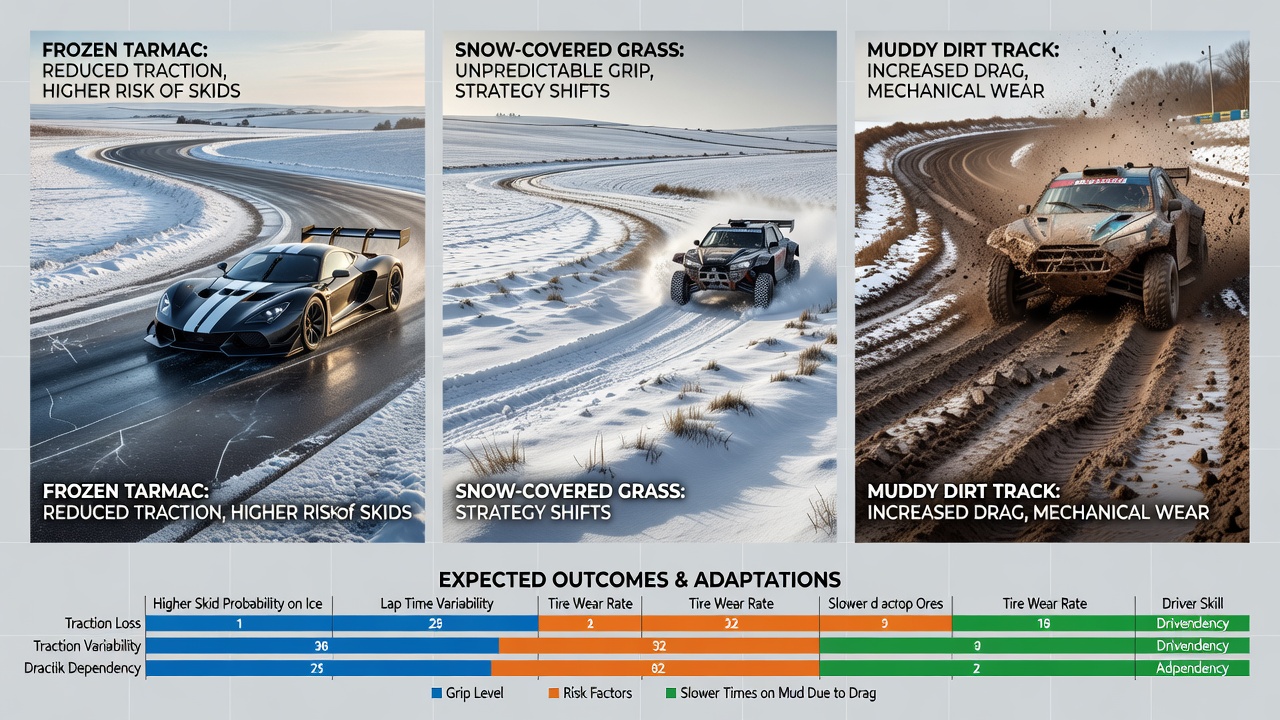
Track managers announce surface maintenance schedules each August, and the 2026 updates outlined by several major courses included additional drainage work on turf sections alongside resurfacing of all-weather loops to mitigate frost damage. These changes matter because winter festivals often coincide with rapid temperature drops that freeze the top layer of grass, creating variable grip that punishes horses without recent experience on similar terrain. Data collected by veterinary research groups shows that injury rates rise slightly on frozen or thawing ground, prompting trainers to reroute certain animals toward all-weather options where conditions remain more predictable.
What's interesting is how sectional timing technology now captures these differences in real time, allowing analysts to quantify exactly how much slower a field travels on heavy turf versus synthetic during the same festival weekend. One study tracking runners across multiple venues found that average winning times on heavy ground stretched by up to eight percent compared with good-to-soft conditions, while all-weather equivalents varied by less than two percent across similar temperature ranges.
Strategic Adjustments by Participants
Trainers and jockeys adapt race tactics based on surface reports issued the day before each meeting, and those adjustments alter expected outcomes because early pace maps drawn from previous runs no longer apply when the ground changes overnight. Jockeys riding on heavy turf often hold horses up longer to conserve energy for the final stages, whereas on all-weather they tend to race more prominently to avoid kickback. This tactical shift creates opportunities for outsiders that possess unexposed mud form or proven synthetic speed, and records from recent festivals confirm higher strike rates for such profiles when surfaces diverge from the norm.
According to industry reports compiled by the Thoroughbred Breeders' Association, breeding trends have begun to reflect these surface realities with more emphasis placed on dual-purpose pedigrees that handle both turf and synthetic. Breeders cite data showing that progeny of certain stallions perform above market expectation when switched between surfaces mid-winter, and this knowledge influences how trainers select entries for mixed festival cards.
Conclusion
Track surfaces therefore function as the primary variable reshaping results at UK winter racing festivals, and the documented differences in pace, stamina, and tactical execution provide clear factual patterns for anyone reviewing historical data. Continued investment in drainage, resurfacing, and timing technology ensures that these variations remain measurable, while August maintenance announcements set the baseline conditions for each upcoming season. The interplay between turf and all-weather continues to define the character of mixed winter programs across the country.